or fill out the form below
{"field_1617d2a":{"display_mode":"show","fire_action":"All","file_types":"png","logic_data":[{"cfef_logic_field_id":"field_dd3c7bb","cfef_logic_field_is":"==","cfef_logic_compare_value":"Other","_id":"87fb239"}]}}
Pest Control Quote
Pest Control Quote
OzPest solutions inspection process starts when our technician is driving in to the neighbourhood and up to the house. Prevailing topography, plant life, age and style of the building which will begin to give a context from which a more detailed assessment will involve.
The inspection process will then commence with an introductory overview of the entire property; That is a brief walk through the whole of the building interior and a walk around the exterior and grounds while checking for informational labels (Durable notice) usually kept in the electrical meter box which will inform us of previous treatments and important information that could assist with the inspection.
The first area to be inspected in detail is the interior. The next area to be inspected is the roof void then proceeding to inspect the exterior of the property. This would include the inspection of the house exterior (including any slab edges), fences, sheds and/or garages (interior/exterior), trees, landscape timbers, gardens and anything within up to 25 to 50m within the property boundary.
Finally, the subfloor area would be inspected, if there is one. Observations in the subfloor area may prompt our Inspector to re-examine some part of the building interior or exterior due to key indications.
You can expect a comprehensive and thorough 1 ½ hour to 2 ½ hour inspection of the exterior and interior of your home depending on the size of the property.
Interior
Exterior
Surrounding Area
After your termite Inspector has thoroughly inspected your home inside, outside, over and under, they will review the following with you:
1
Inspection findings and observations related to any termite evidence and conditions conducive to infestation which increase the risk of termite attack
Not all termite control programs and inspections are the same. Get the peace of mind that comes with knowing you have the right termite protection for your home when using OzPest Solutions for your trusted pest defence.
Before the termites eat you out of home or business, call OzPest Solutions today for your termite inspection at 0431 622 919
If there’s one word homeowners hate to hear, it’s probably “termites”. While we will give you personalised advice and options, understanding these pests, how they behave, and how to spot them, can help give you a head start.
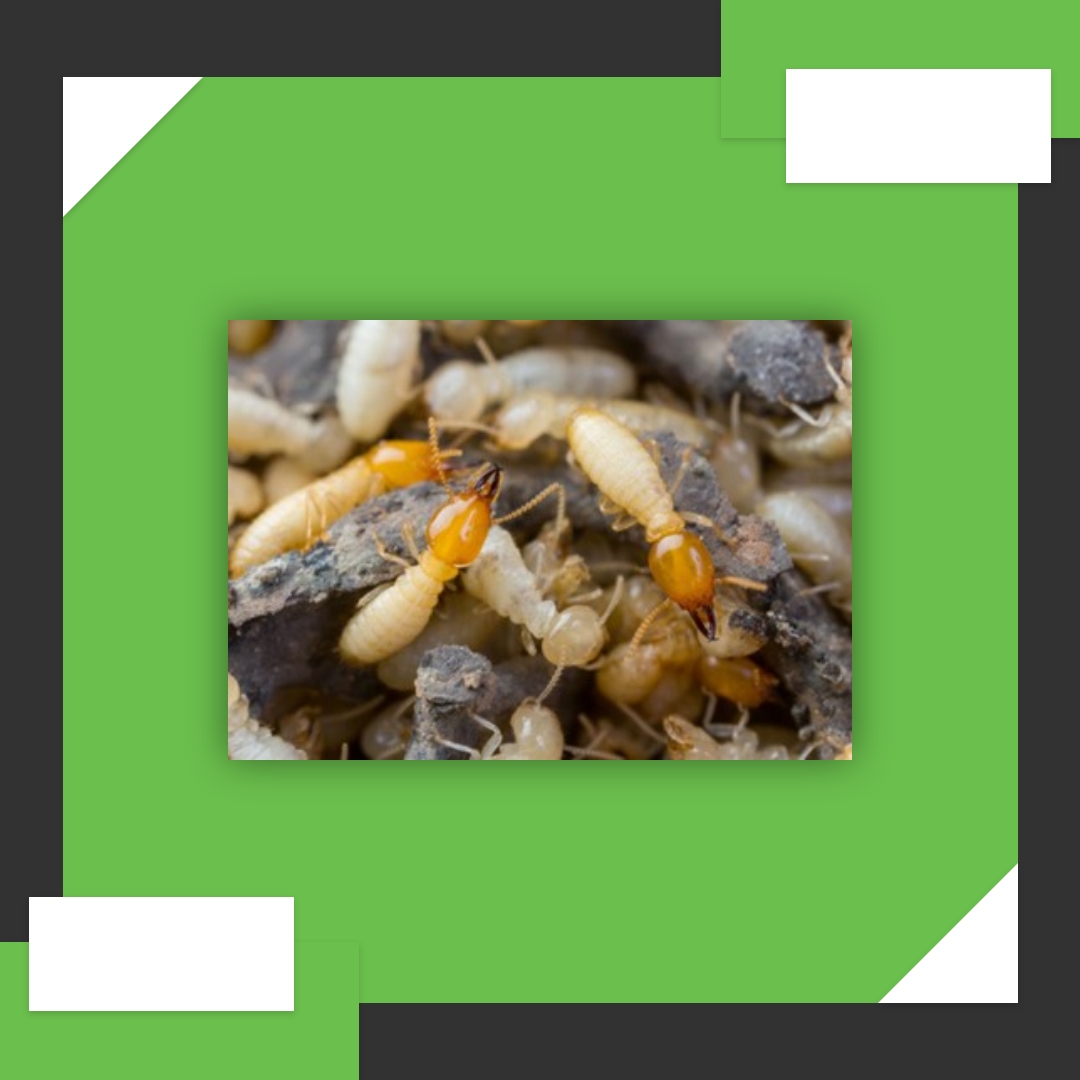
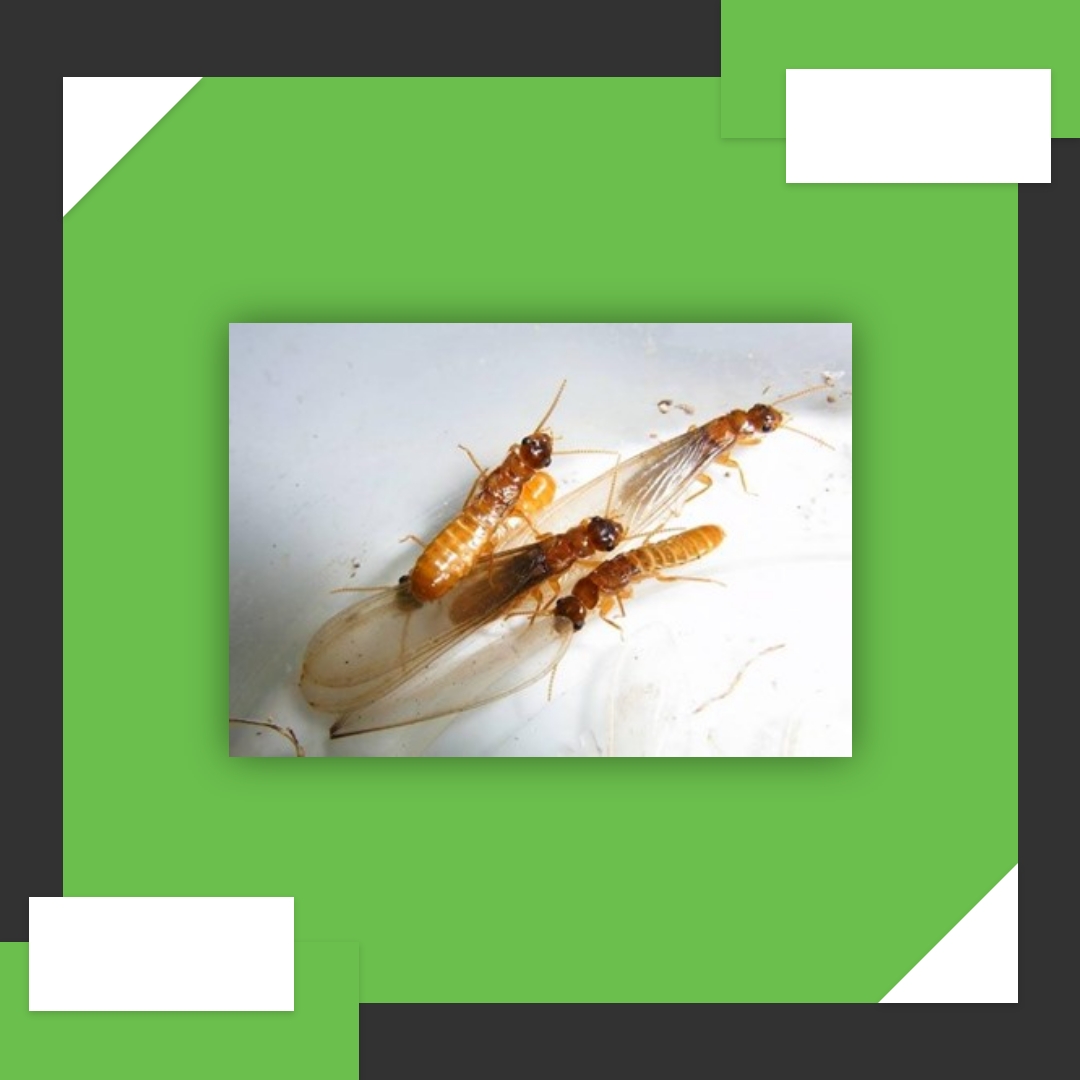
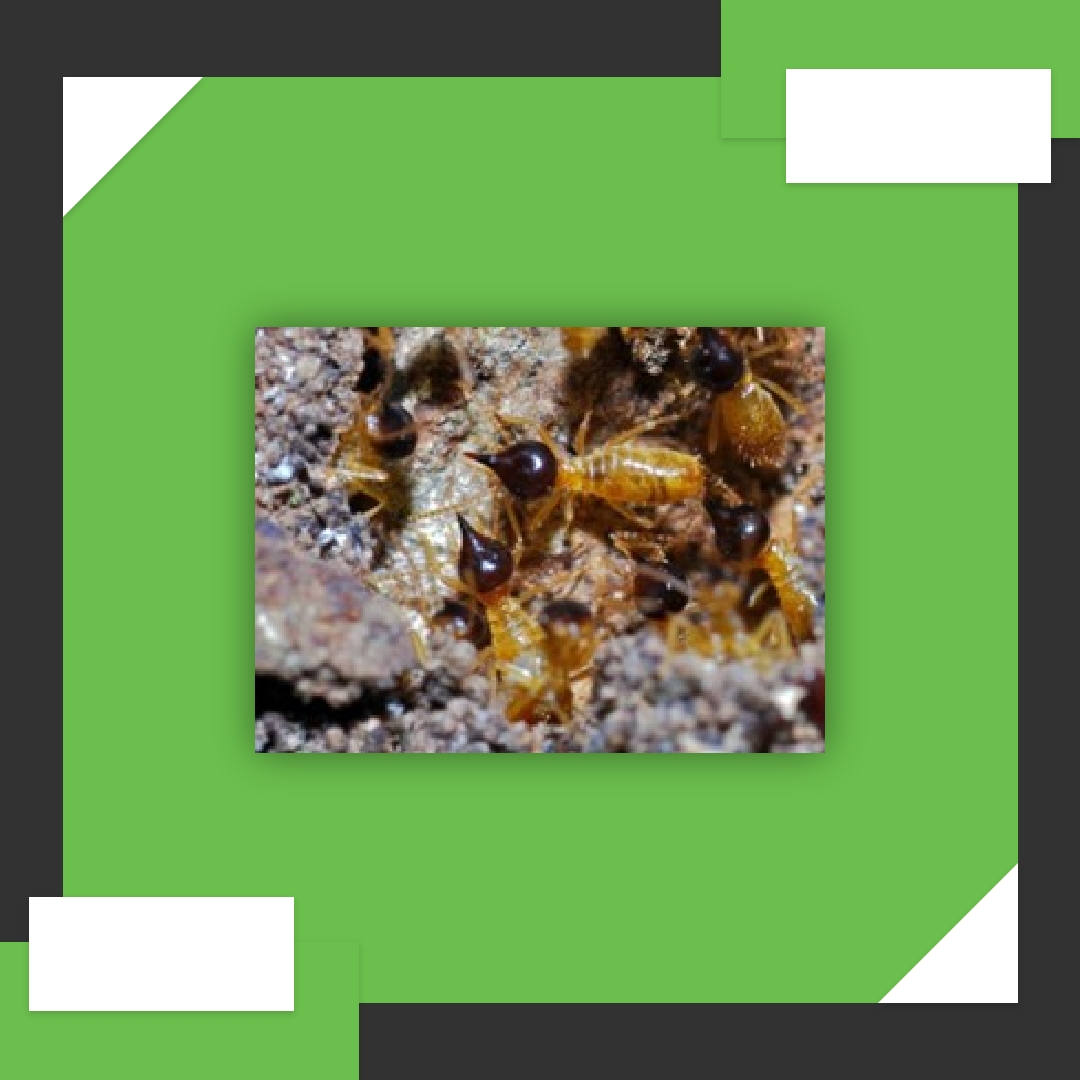
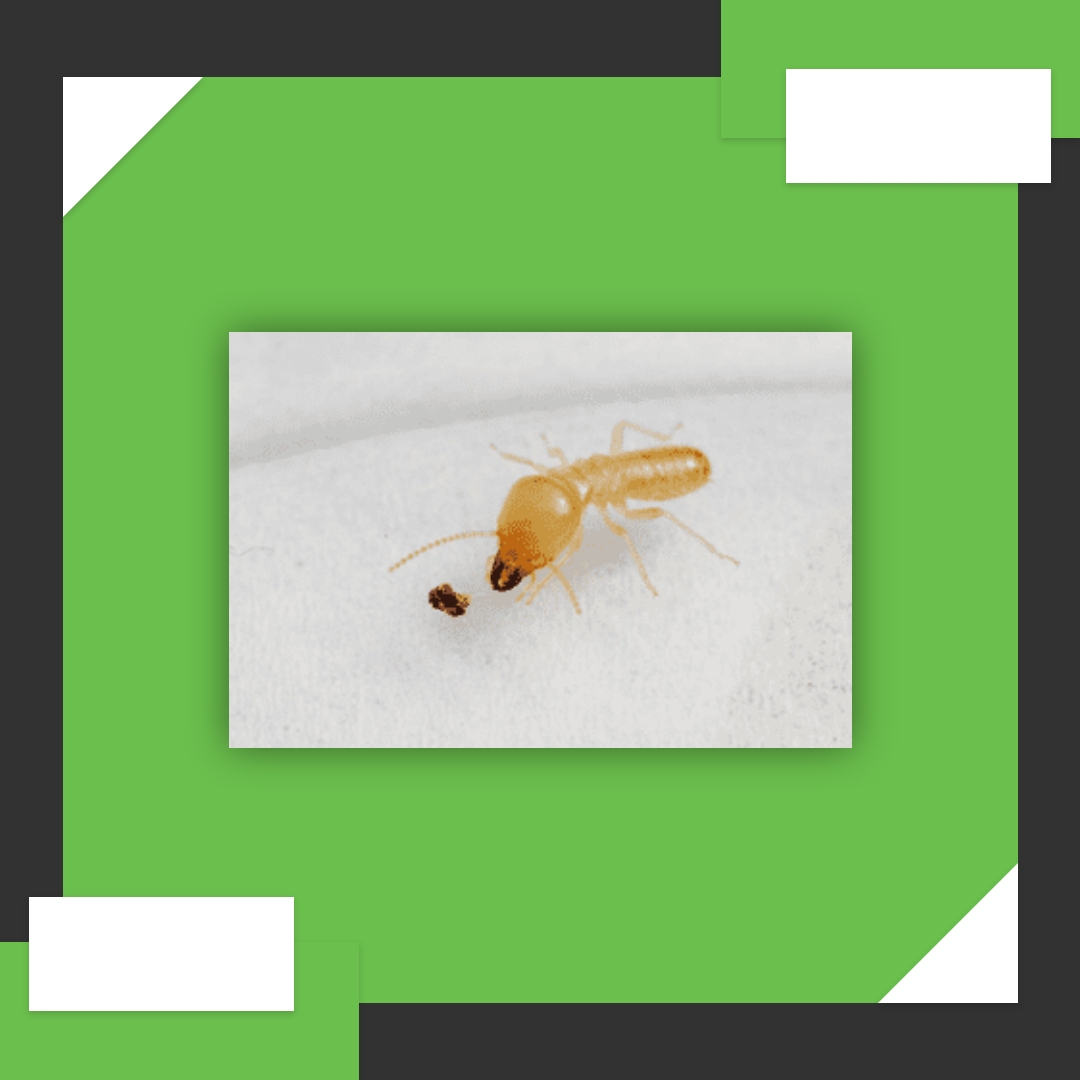
Subterranean termites
About the size of a matchhead and cream or white-ish coloured, they are mistakenly called “white ants”. Although they nest underground, they're responsible for most home damage.
Drywood Termites
2 to 6 mm long and usually pale brown. They eat dry wood and are usually found in homes, dead trees, utility poles, and stored lumber.
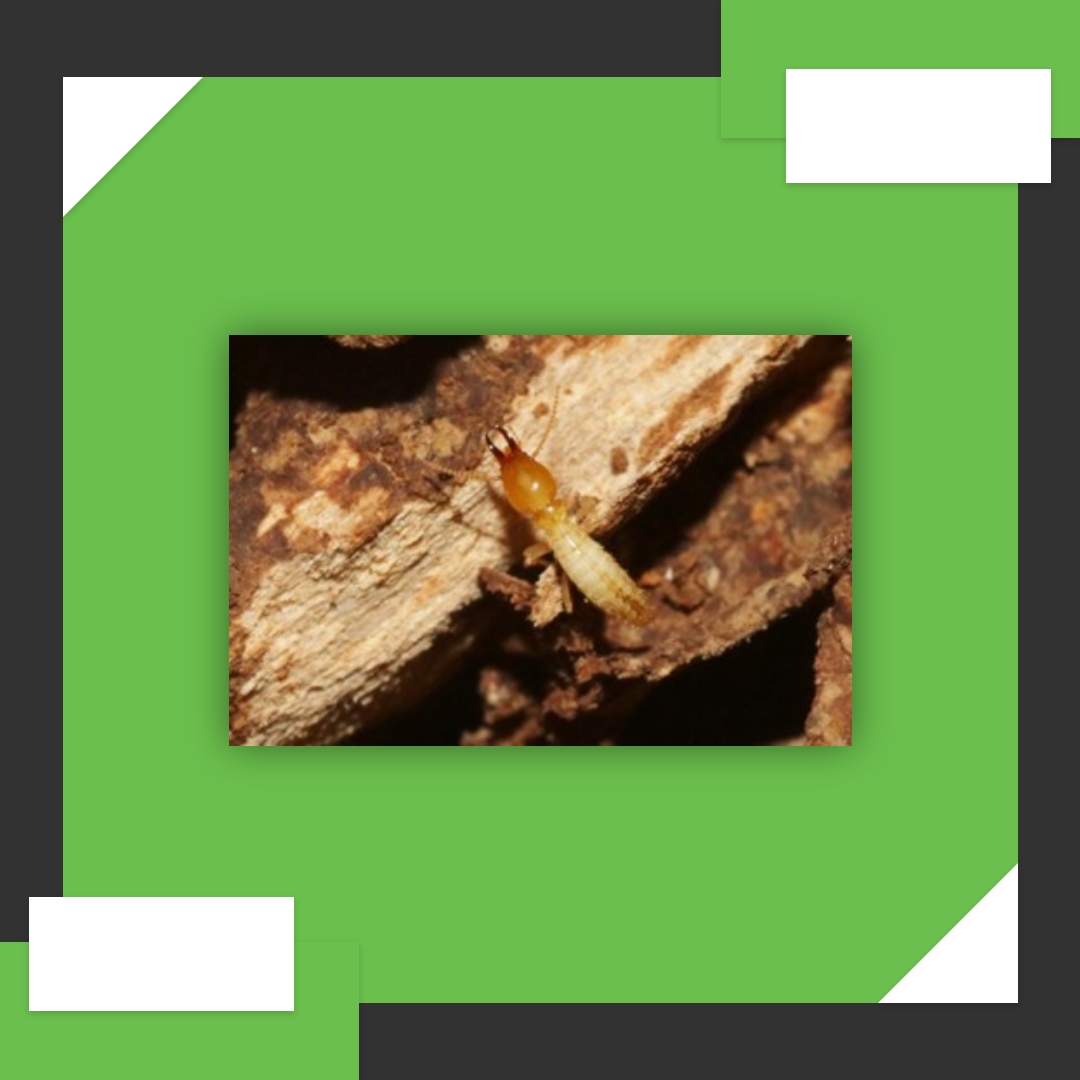
Dampwood Termites
12 to 15 mm and brown. These pests eat moist wood and can be attracted by dilapidated buildings, leaking taps and showers, and timber close to the ground.
Identifying Specific Termites
Inspections
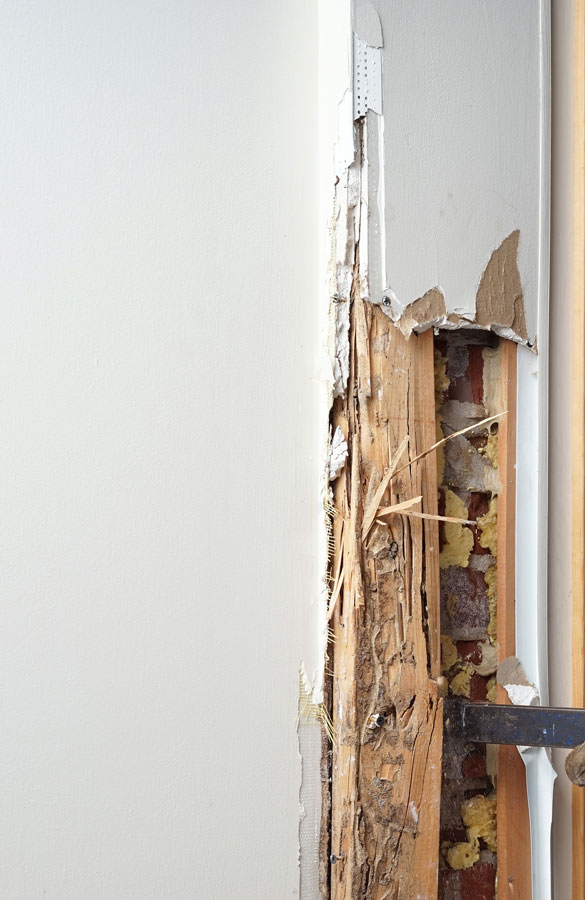
Nothing beats a professional inspection with the right tools. But you can have a look around your home for signs of termites, like:
Home maintenance
Keep your home safe from all kinds of pests, including termites, by:
Garden maintenance
Another way to prevent all kinds of pests, particularly termites, is by making a few changes in the garden. This includes:

or fill out the form below
A comprehensive and thorough 1 ½ hour to 2 ½ hour inspection of the exterior and interior of your home depending on the size of the property.
A detailed interior inspection on all accessible timber elements, This may include inspection of the roof void if accessible, skirting’s, walls, window timbers, door timbers and frames, built-in wardrobes, fireplace surrounds, picture rails, exposed floorboards, stair case timbers, exposed roof frame timbers and so on. Special attention will be given to bathrooms, kitchens and utility rooms because plumbing penetrations through the slab are the more common entry points for subterranean termites.
A complete inspection of the exterior of your home for signs of an infestation, previous activity and conducive conditions, avenues and sources that could lead to a termite infestation and or attack. This will include a thorough inspection of the perimeter of the property, subfloor of the property ,exterior walls and eaves, slab edges of the home and a close examination of the foundation.
A thorough inspection of the surrounding property and yard including including , fences, sheds and/or garages (interior/exterior), trees, landscape timbers, gardens and anything within up to 25 to 50m within the property boundary and around your home to identify any activity or evidence of Termites
Inspection findings and observations related to any termite evidence and conditions conducive to infestation which increase the risk of termite attack
Inspection findings that includes any evidence of termites found non active or active and all related conditions, avenues and sources identified during the inspection that may be conducive to termite attack or lead to attack in the future
The susceptibility of the property to termite infestation (subfloor ventilation and drainage, obvious damp areas, etc.) and Possible recommendations on correcting conducive conditions that can reduce the risk of future infestations
Advise and Details of corrective or preventive treatment programs/ Monitoring programs and options that are best suited for you, your home and your budget.
If we discover termites, we’ll recommend the most effective treatment method, customized to your needs and cost of all options and the expected outcomes and limitations..
Finally, our inspector may recommend an ongoing termite monitoring and or management plan, to give you the peace of mind you deserve.