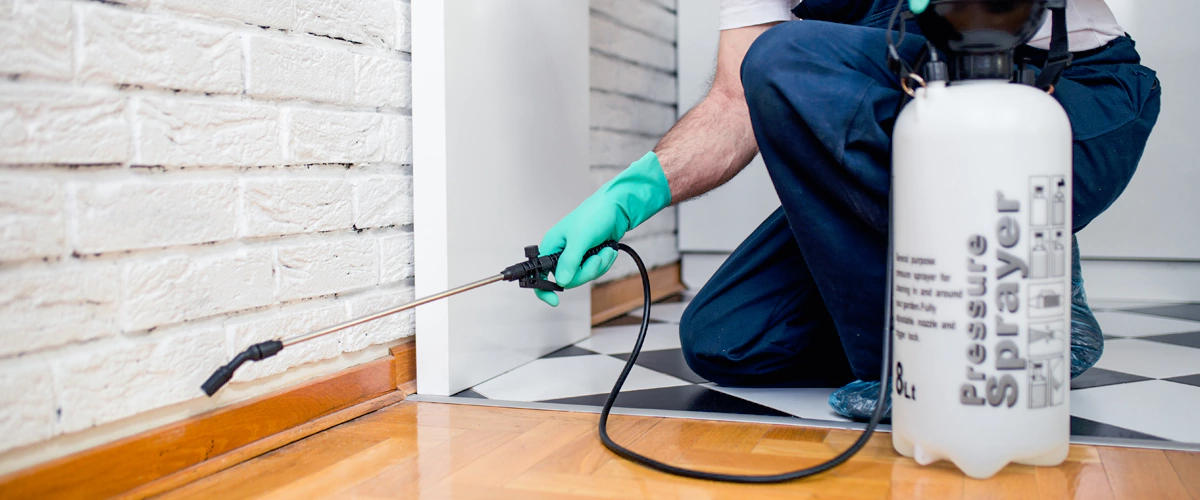
Termites, if unnoticed, can go to an extent where they harm the structural integrity of your residence. It makes it all the more essential to inspect, proof, and control their spread. Keeping termites away isn’t a one-off task but an ongoing process.
When you decide to proof, it”s a crucial step towards safeguarding your assets, both the building and furniture. Also, pests can bring in numerous diseases, so it’s also a preventative measure. But do you wonder how often professionals must be called in for inspections? Is it 6 months, 1 year, or more? Most people do have that query. In this blog, we have detailed everything so you can stay informed and make a call accordingly. Keep reading to know more.
Why Proofing Is Better Than Pest Control?
Pest control is effective, however, it is implemented after the damage has been done.. On the contrary, proofing presents major benefits, including:
- Stopping infestations before they begin.
- Reducing chemical dependence.
- Keeping the surroundings safer for pets and families.
- Protecting key structures like beams, frames, and insulation.
- Saving ongoing costs linked to repeated pest control.
What Determines How Often You Should Inspect Your Home?
Property Age and Structure
Older homes carry more risk. Timber frames, worn foundations, and exposed gaps all act as open invitations for termites. Many classic homes across Australia, including weatherboard and Federation-style properties, have spaces termites can easily exploit. In these, quarterly inspections are ideal to keep an eye on the smallest changes, from damp spots to hairline cracks.
Modern homes made with concrete slabs or steel frames can usually manage with annual checks. Still, even a new home develops gaps over time, especially around pipes, vents, and rooflines.
Also Read – Comparing Chemical vs. Bait Systems for Termite Control
Location and Environment
Your surroundings strongly influence termite activity. Properties that are closer to bushland, riverbanks, or even heavily vegetated gardens face a higher risk. This is because termites thrive in moist soil and shaded conditions. If your home is in such an environment, inspections every three to four months are practical.
Climate and Seasonal Patterns
Australia’s varied climate shapes termite behaviour more than most realise. In tropical regions, where heat and humidity persist, termites stay active throughout the year. Regular inspections, advisably at least three times annually, help detect early movement.
Similarly, houses in cooler southern states like Victoria may escape these during the cold, but can see a sudden spike in termite activity during the few warmer months when moisture levels rise. Here, scheduling an inspection before summer and again before winter works well.
History of Termite Activity
If you’re currently staying in a home that has a history of termite infestation, its crucial to be all the more alert. Since once these pests enter, it’s possible they creep in again through any of the weak spots that were left unsealed. Ideally, an inspection every 3 months is recommended in such a scenario.
Once you’ve conducted several rounds of proofing, you can move to a half yearly check and eventually a yearly one too.
Also Read – Best Termite Control Methods – Should You Hire a Professional?
Property Usage and Daily Activity
How you use your home changes how appealing it is to pests. Busy households, with storage areas, garden mulch, and outdoor furniture, tend to provide more food sources and shelter opportunities. These homes require more frequent inspections to ensure no new entry points appear unnoticed.
Vacant or holiday homes, on the other hand, might seem safer, but they’re not. Termites thrive when left undisturbed. For such properties, at least two inspections a year are necessary. Rental properties should be checked between tenants so any early signs don’t go unreported.
Maintenance and Existing Proofing
Homes that are well-maintained, clean, and consistently repaired face fewer infestations. When proofing measures like barriers, treated zones, and sealants are maintained correctly, yearly inspections are often enough.
Neglecting repairs, though, changes everything. Cracks in concrete, leaks near walls, or garden beds placed too close to foundations all weaken proofing. In such cases, inspections every six months help catch vulnerabilities before they grow.
Also Read – How Long Does Pre-Construction Termite Treatment Last?
Winding Up
Knowing these factors beforehand makes setting a proofing routine far easier. You don’t have to overthink it or book constant visits.
At OzPest Solutions, every inspection begins with care and precision. Based in Maitland and operating across surrounding regions, our service focuses on understanding your home before recommending any solution. Our technicians carry both expertise and courtesy, wherein they explain what they’re doing, why it matters, and how you can maintain protection long after they’ve finished.
We use pest control methods that are safe for children, pets, and the environment. You’ll know exactly what’s being done, how long it takes, and what outcomes to expect. Also, for added assurance, we offer a six-month satisfaction guarantee on our services.
Whether it’s your family home or a business property, OzPest Solutions ensures lasting peace of mind.
Contact us today to book your next inspection and stay one step ahead of termites.