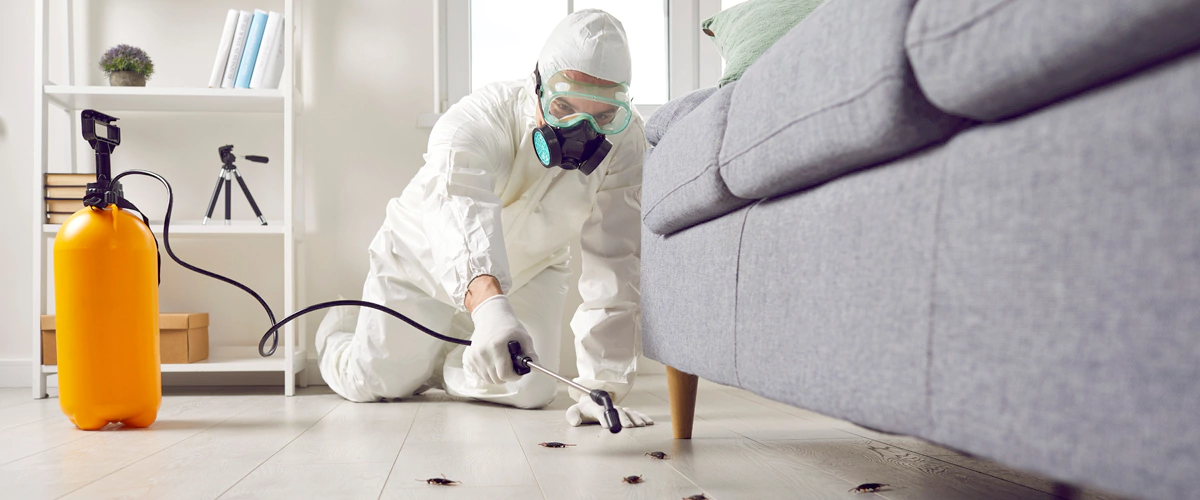
Cockroaches are far more than just an eyesore. They contaminate food, disrupt hygiene in homes and businesses, reproduce at an alarming pace, and carry bacteria that can make people very sick. And when we talk about German cockroaches, these problems multiply. If you’ve ever seen one scurry under a kitchen appliance, there’s a good chance more are hiding nearby. One roach can turn into a serious infestation in what feels like no time at all.
Here’s a closer look at why German cockroaches are considered one of the most dangerous pests and what you can actually do to prevent or control them.
Why German Cockroaches Are Different
- Extreme reproduction speed: A single female can produce up to 40 eggs per case, and she protects that egg case until hatching. That’s why a “small problem” can explode quickly.
- They love human spaces: Warm kitchens, restaurant storerooms, dishwashers, coffee machines, anywhere with food and moisture.
- Resistance to DIY sprays: Over time, many populations develop resistance to common insecticides.
The Hidden Health Risks
Most people worry because cockroaches look gross. The real trouble is what they carry and spread.
Some key risks:
- Food poisoning and diarrheal diseases: German cockroaches walk across garbage, sewage areas, and then food surfaces. Studies link them to Salmonella, E. coli, and Staphylococcus bacteria. People might think it’s “a stomach bug”, when it’s actually roach contamination.
- Asthma and allergies: Their droppings, shed skin, and even their saliva can trigger severe allergic reactions and kids are especially vulnerable.
- Cross-contamination everywhere: Coffee stations, utensil drawers, cardboard boxes in a stockroom, they’ll contaminate anything they touch. In restaurants or food-processing environments, one missed inspection can turn into a major hygiene violation..
Where They Hide (Often Overlooked Spots)
Even clean homes and businesses aren’t immune. These pests only need crumbs and condensation to survive.
Common hiding areas:
- Under refrigerators and ovens
- Inside dishwashers and microwaves
- Gaps behind wall panels and skirting boards
- Inside electrical outlets and control boxes
- Storage rooms with cardboard packaging
- Warm server rooms or break rooms in offices
Signs You’re Dealing With German Cockroaches
- Small pepper-like droppings near appliances or inside drawers.
- A musty, unpleasant odour. (stronger as infestations grow)
- Egg cases (oval, brown capsules) tucked into cracks.
- Roaches spotted during daytime, that’s a bad sign as it means overcrowding or an extreme infestation.
Expert Tips for Prevention
- Eliminate food residue: Wipe counters regularly, clean behind stoves, empty bin liners often, and store food in sealed containers.
- Reduce moisture: Fix leaks, wipe excess water around sinks, and avoid leaving pet food bowls filled overnight.
- Seal entry points: Caulking gaps around pipes and flooring removes their hiding spots.
- Limit cardboard: It holds moisture and german cockroaches love nesting in it. Opt for plastic storage when possible.
Small habits make a big difference, especially in kitchens. So, be sure to maintain hygiene and keep a look out for early signs of infestation and seek professional help when needed.
Why DIY Often Fails
Most consumer sprays only kill what you can see and German cockroaches are good at hiding.
You’ll often see:
- Roaches avoiding bait. (behavioural resistance)
- Infestation disappearing and then coming back worse.
Professional Cockroach Control: When to Call
- Identify infestation level and hiding zones.
- Use products roaches can’t easily resist.
- Break the breeding cycle, not just kill adults.
- Provide follow-ups to ensure they don’t return.
Bottom Line
German cockroaches don’t simply create discomfort. They bring along bacteria, trigger allergies, and weaken hygiene standards in places meant to be safe, homes, restaurants, hospitals, schools. You might never see the first ones that sneak inside. But if you act fast with prevention and professional help when needed, you’ll keep the infestation from taking over.
If you’re already spotting signs around your home or workplace, don’t wait for the problem to grow. A fast response is the key to protecting your health, your space, and your peace of mind.
At OZPest, we offer expert pest eradication services. Whether you are dealing with a German cockroach infestation or any other kind, trust our experts to come to your premises and ensure not even a single roach remains.