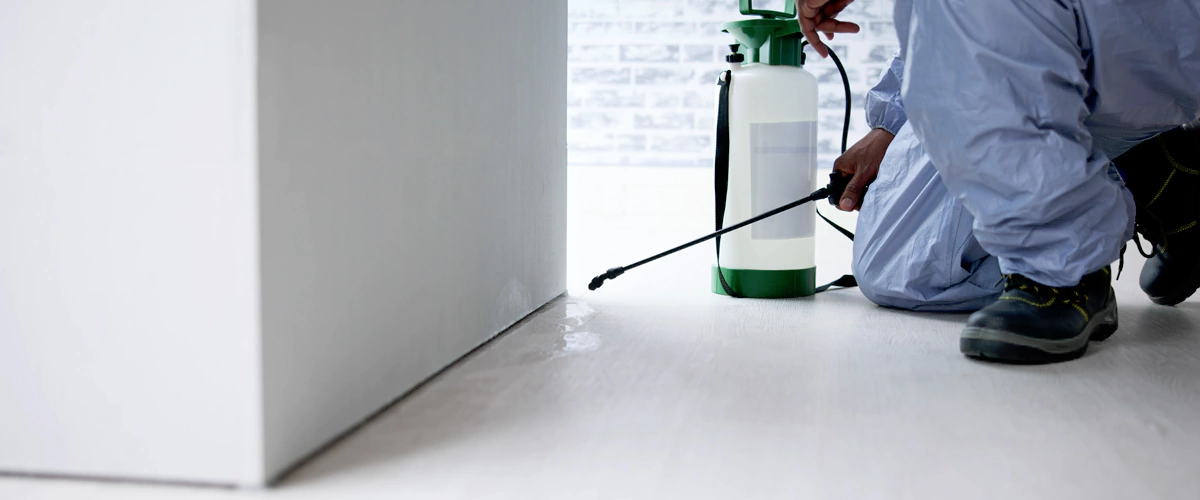
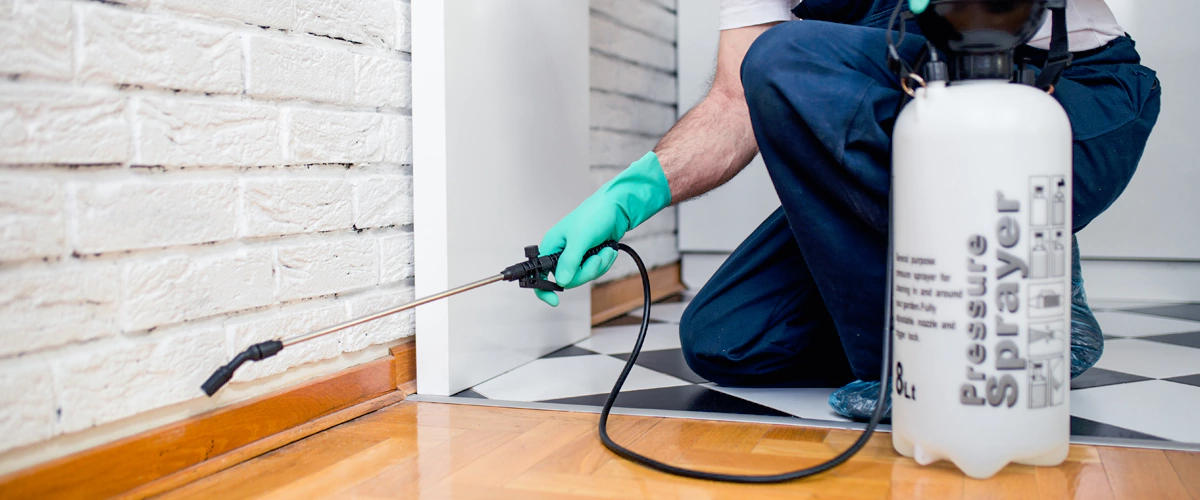
Rodent infestations pose a deep threat to both our safety and health. They cause structural damage, contaminate food sources, and transmit serious diseases. The extent of this damage is directly proportional to the value and type of your property—Residential, commercial, or strata. That is why proper rodent management is important when you find the signs of infestation.
When we talk about rodent management, most people get overwhelmed by its complexity. However, we have many simple ways to do it. So, here’s an in-depth guide on managing and preventing rodent infestations effectively.
First things first—
Common Types of Rodents in Australia
- Rats: Norway Rats and Roof Rats are the most common among this type. They are intelligent, resourceful, and particularly difficult to manage. Find out how to get rid of rats.
- Mice: The most frequently found mouse species in Australia is the House Mouse. They multiply rapidly and turn a small infestation into a major one in no time.
Associated Damage & Health Risks
Needless to say, every kind of pest infestation comes with associated damages and health risks. Similarly, rodent infestation also often results in several concerns for the property owners. Disease Transmission, food contamination, and structural damage are among the notable aspects.
The only way to prevent these costly issues is to stop these creatures from invading your home with effective rodent control strategies.,
Confirming Rodent Infestation
Detecting a rodent infestation is not as difficult as you think. The signs will be all over the place, and you will notice them with just a little attention. Some common indicators of rodent infestation include droppings, gnaw marks on wires and walls, and scratching or scurrying noises within walls. It is also a clear indication of an infestation if you notice any grease marks along walls, shredded paper or fabric, or tail marks in storage spaces.
When you notice any of these signs, you must immediately start finding your rodent control solution.
Preemptive Measures and Rodent Control Strategies
- Sanitation: Keep your premises tidy, correctly discarding rubbish and removing possible food sources for pests.
- Exclusion: Close off any nooks, cracks, or crevices on your property’s façade to block rodent intruders. Mice can slip through spaces as tiny as 6mm, while rats can exploit openings of 12mm.
- Set Traps: If you don’t want to injure the rodents but simply eliminate them from your personal space, consider installing traps designed to catch them.
- Ongoing Monitoring: Conduct regular checks of your property to address any recurrence of a rodent infestation. Catching the signs early will enable better prevention.
Plants That Keep Flies Away
To be exact, they will help you:
- Identify the rodent species, entry points, and infected areas with a detailed property inspection.
- Devise a customised treatment plan with the most effective measures to eliminate the specific type of infestation.
- Offer ongoing expert support and prevention strategies to ensure a rodent-free environment in your home.
Eco-Friendly Rodent Management
Step 1:
Step 2:
When chemical control is a must, use rodenticides wisely and selectively. Second-generation anticoagulants pack a toxic punch, risking secondary poisoning in predators. Owls, hawks, and even pets can fall victim when they consume just one poisoned rodent.
To reduce these risks:
- Employ tamper-proof bait stations
- Adhere strictly to label instructions
- Choose first-generation rodenticides or low-toxicity alternatives instead
Step 3:
Step 4:
Step 5:
Closing Thoughts
The bottom line is that rodent control or management, if it’s in the beginning stages, is possible without expert intervention. However, professional help will give you more sure-shot results and lasting confidence. This is better for the health and safety of you and your family members.
So, if you need experienced pest control services, feel free to contact our team at OZ Pest Solutions. We will help you eliminate your pest problem with great accuracy and efficiency.
Call us if and when you need!