If you’ve ever dealt with termites, you know how sneaky they are. They don’t make a racket, they don’t leave mess everywhere, they just quietly eat. By the time you notice the damage, it’s usually serious. That’s why choosing the right termite protection system is such a big deal for homeowners in Australia.
The two most common approaches are chemical barrier treatments and baiting systems. Both can work brilliantly when done properly, but they use very different strategies. Understanding how each one works (and which suits your home) can save you thousands of dollars and a lot of frustration.
Why Termite Control Matters More in Australia
Australia’s warm climate, mixed with timber-heavy housing, is paradise for termites, especially species like Coptotermes acinaciformis that thrive in coastal and urban areas.
The CSIRO estimates that one in three Australian homes will face termite activity at some point. And since home insurance rarely covers termite damage, prevention isn’t optional, it’s essential maintenance.
Also Read – Best Termite Control Methods – Should You Hire a Professional?
How Chemical Barriers Work
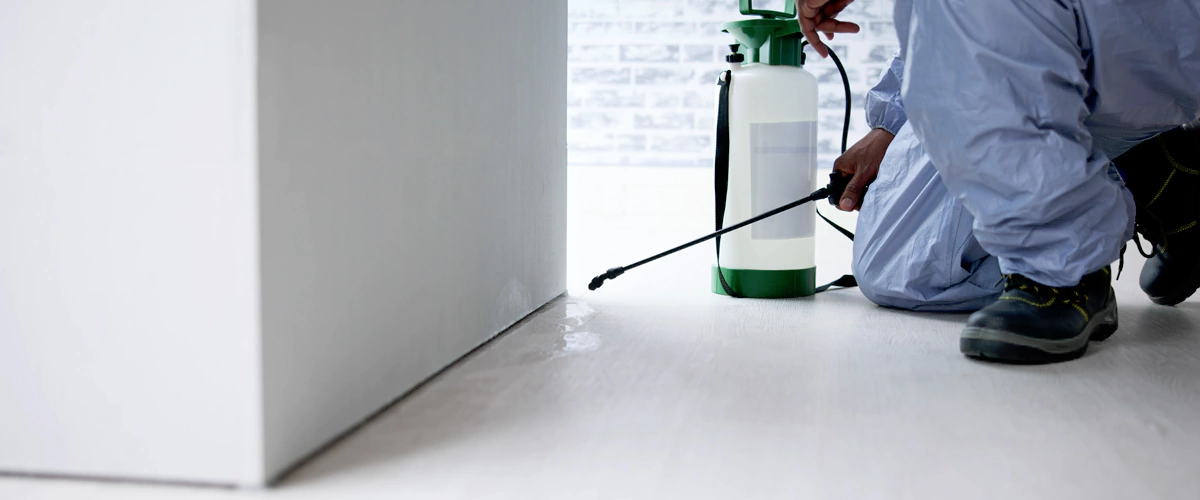
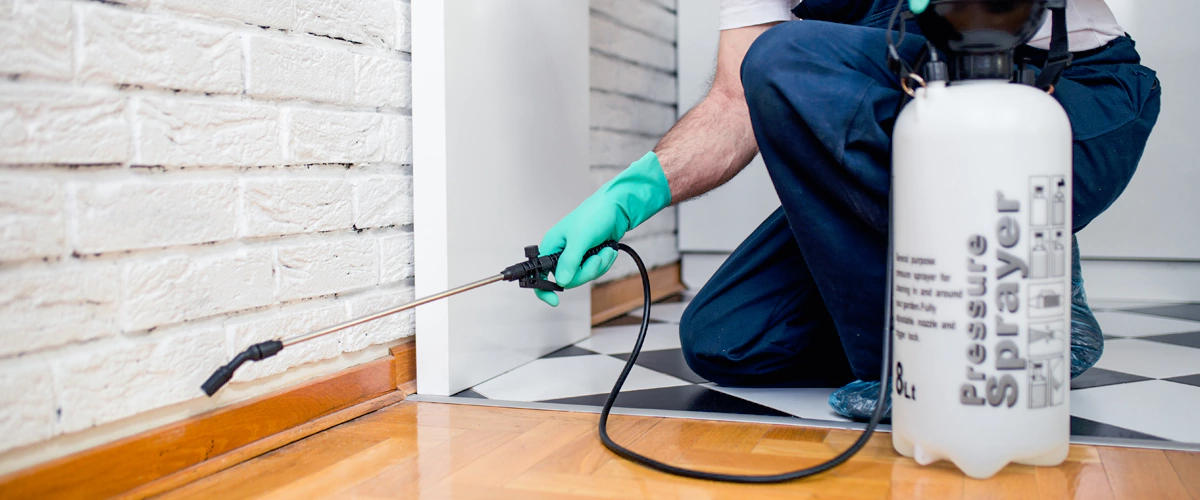
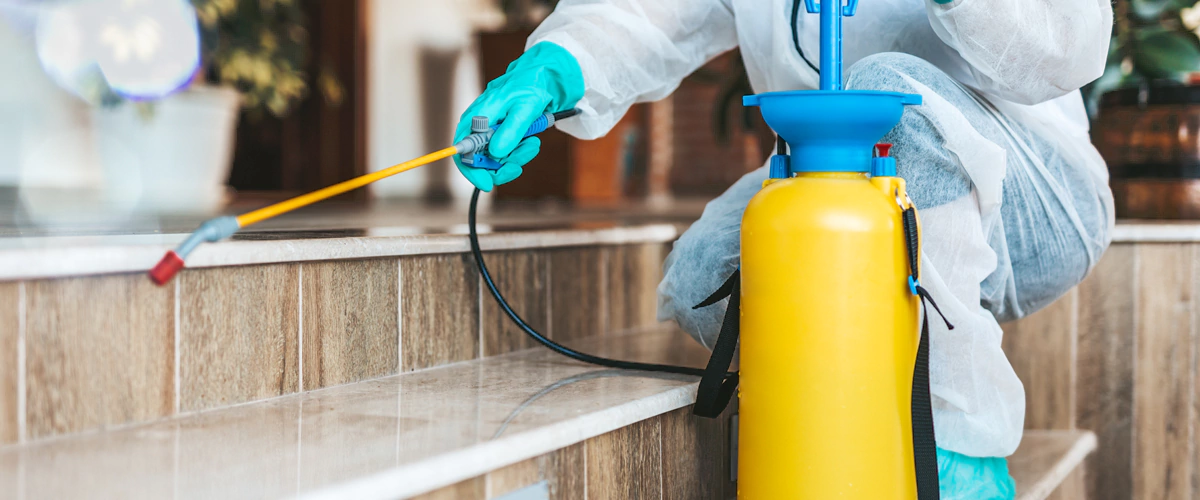
A chemical barrier is like an invisible moat around your home. Licensed technicians trench around the perimeter and inject a termiticide into the soil. The aim is simple: stop termites before they reach the structure.
There are two main types of termiticides:
-
- Repellent chemicals, such as bifenthrin, which keep termites away from the treated zone.
- Non-repellent chemicals, like fipronil or imidacloprid, which termites can’t detect. They move through the treated soil, pick up the chemical, and carry it back to the nest, effectively wiping out the colony over time.
- Immediate protection: The barrier starts working as soon as it’s applied.
- Whole-of-site coverage: Protects the entire footprint of the building.
- Proven reliability: Termiticides like Termidor (fipronil) have decades of field data in Australian conditions.
- Low maintenance: Once installed, it only needs annual inspections.
- Soil disturbance: Trenches need to be dug, which can be tricky around paving or established gardens.
- Not ideal for every block: High water tables, rocky ground, or poor drainage can reduce effectiveness.
- Limited reach inside the property: If termites are already inside, the barrier won’t remove them; it only stops new entry.
How Termite Bait Systems Work
Bait systems take a slower, behavioural approach. Rather than keeping termites out, they lure them in with food that’s laced with a slow-acting termiticide.
Technicians install bait stations in the ground around the home, small cylinders filled with timber or cellulose attractant. Once termites start feeding, the bait is replaced with an active formulation that disrupts their growth or sterilises the colony.
The idea is to let the termites carry the bait back to the nest and share it. Over weeks or months, the population collapses.
- Colony elimination: When successful, baits kill the entire nest, not just the foraging workers.
- Non-intrusive: No trenching or drilling required, which is perfect for fully paved or heritage homes.
- Environmentally lighter: Uses small amounts of active chemical only where termites are active.
- Flexible monitoring: Stations can be inspected and topped up year-round.
- Slower results: It can take several months to completely eradicate a colony.
- Ongoing costs: Requires regular monitoring and bait replenishment.
- Relies on termite behaviour: If termites don’t find the bait, it won’t work.
- Vulnerability between checks: Missed inspections can allow reinfestation.
Chemical vs. Bait – Which Is Better?
| Aspect | Chemical Barrier | Bait System |
|---|---|---|
| Speed of Control | Fast – stops termites on contact | Slower – weeks to months |
| Target | Prevents entry | Eliminates the colony |
| Longevity | 5–10 years | Continuous, as long as monitored |
| Upfront Cost | Higher installation cost | Lower initial, higher ongoing |
| Maintenance | Annual inspection | Regular inspection (every 1–3 months) |
| Environmental Impact | More chemical volume | Minimal chemical use |
| Best For | Homes under construction or accessible soil areas | Built-up sites, slab homes, or existing infestations |
What Pest Controllers Often Recommend
In practice, many Australian pest professionals use a combination approach. For example, they might install a chemical barrier under the slab during construction and then maintain perimeter bait stations as a monitoring tool.
This “belt and braces” strategy gives both immediate protection and long-term monitoring. It’s especially popular in areas like Queensland and New South Wales where termite pressure is constant and soil types vary.
If you already have termite activity inside the house, baits are usually the first step. Once the colony has been destroyed, a chemical barrier can be installed to prevent new incursions.
Also Read – How Long Does Pre-Construction Termite Treatment Last?
Things to Consider Before You Choose
- Type of Home: Houses built on slabs are ideal for barriers, while older homes with uneven access or paving often suit baits.
- Soil Conditions: Sandy or loose soil may not hold chemicals well. Clay or compacted soils give barriers better staying power.
- Environmental Sensitivity: Near waterways or gardens with edible plants, baiting may be safer.
- Budget and Maintenance: Barriers are a bigger upfront cost; baits spread the expense over time.
- Professional Licensing: Always check your technician is accredited and uses products approved by the Australian Pesticides and Veterinary Medicines Authority (APVMA).
The Future of Termite Control
Newer hybrid systems are emerging, for example, bait stations pre-treated with low-dose termiticides that act as both monitor and barrier. Digital monitoring units are also on the rise, sending alerts when termite activity is detected so inspections can happen faster.
Despite the tech upgrades, one thing hasn’t changed: regular inspection is non-negotiable. Even the best system fails if no one checks it.
The Bottom Line
- If you want fast, long-term protection and have easy soil access, a chemical barrier is often the best choice.
- If your property has limited access, environmental concerns, or an active infestation, a bait system may be more practical.
In many Australian homes, the most effective solution ends up being a combination of both, a chemical shield for prevention and bait stations for monitoring and early detection.
Whatever you choose, make sure the work is done by a licensed professional and that follow-up inspections are part of the plan. Termites never take a day off and neither should your protection. If you need more clarification, get in touch with us at OzPest Solutions and find expert guidance and pest control solutions.