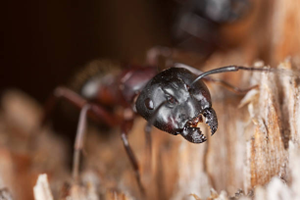
Carpenter Ant
Effective Carpenter Ant treatment solutions
- We reply within 24 Hours
- Safe, effective treatments
Carpenter Ant
Effective Carpenter Ant treatment solutions
- We reply within 24 Hours
- Safe, effective treatments
Carpenter Ant
Camponotus spp.
Characteristics
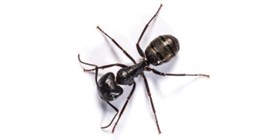
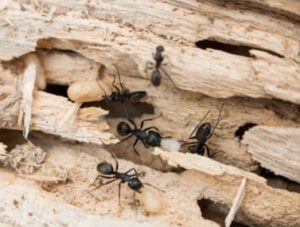
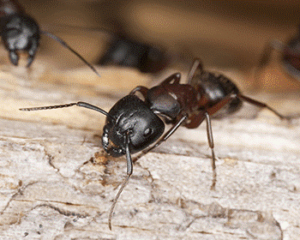
Carpenter ants are among the largest ants in Australia, ranging from 6mm to 12mm in length. They come in various colours, typically black, brownish-red, or a combination of both. They are known for their powerful mandibles which they use to hollow out wood. Unlike termites, they do not eat the wood; they simply excavate it to create galleries for nesting.
Habitat
In the wild, they nest in decaying logs, tree stumps, and hollow trees. In residential areas, they become a threat when they move into structural timber, especially wood that has been softened by moisture or decay. You will often find them in door frames, window sills, and roof voids.
Lifecycle
A colony begins with a single fertilised queen who establishes a "parent" nest in a moist outdoor location. Once the colony matures, it may establish "satellite" nests which often extend into nearby homes. These satellite nests contain workers and larvae but usually no queen.
What our customers say...
FAQs About Carpenter Ant
Can Carpenter ants cause harm?
What are the signs of Carpenter ant infestation?
Where are the nests usually located?
Key Information
Distribution
Typical nest location
Outdoor / Indoor pest
Distinguishing features
/ Important Points
Large size and a single node on the “waist” with a rounded thorax.
Colony structure
Diet Preference
Safety Concerns