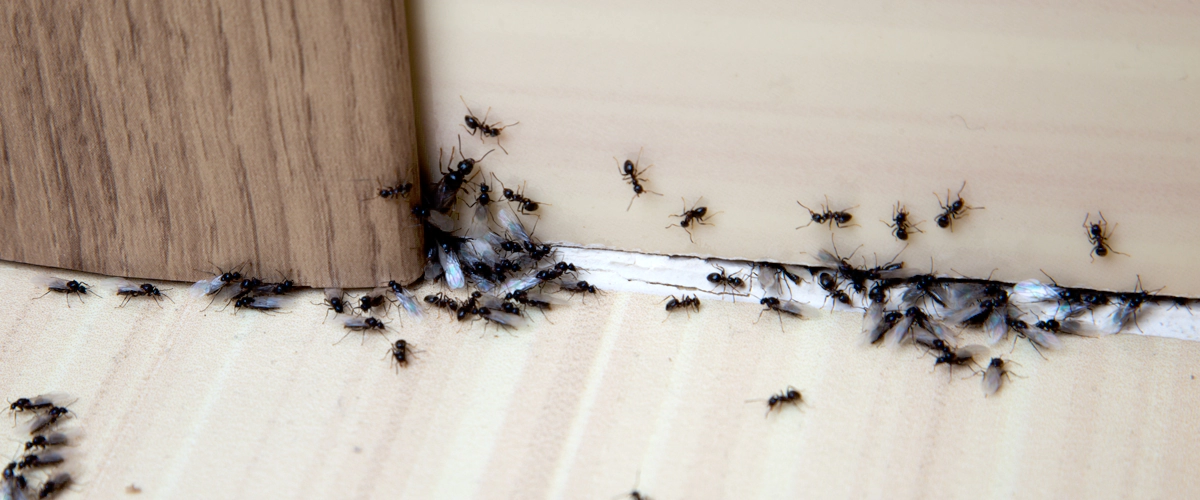
Where Do German Cockroaches Come From? Origins and Infestation Risks

If you’ve spotted small, fast-moving cockroaches darting across your kitchen floor or disappearing behind your fridge, you’re probably dealing with German cockroaches. And yes, it can be unsettling. These pests don’t just show up randomly, and they certainly don’t go away on their own.

To deal with them effectively, you need to understand where they actually come from, how they end up in your home, and why they’re so difficult to eliminate. Once you know that, you’ll be in a much better position to protect your space.

The Truth: They Didn’t Come from Germany

Let’s clear up one of the biggest misconceptions right away. German cockroaches don’t come from Germany.

These insects (Blattella germanica) likely originated in South or Southeast Asia over 2,000 years ago. Scientists believe they evolved from Asian cockroach species and gradually spread across the globe. The “German” label stuck simply because early researchers identified and documented them in Europe.

Their worldwide spread has nothing to do with natural migration. Instead, humans unknowingly carried them along trade routes, shipping lines, and travel pathways. Over time, they became one of the most successful “hitchhiker” pests on the planet.

Also Read – How to Identify a German Cockroach Infestation and Prevent Its Spread

How They Spread? (Hint: It’s Usually Us)

German cockroaches don’t travel far on their own. They rely on human movement and goods.
Think about how often items come in and out of your home. Packages, grocery bags, secondhand furniture, and even your luggage can all act as transport vehicles. A single egg case or a few hidden roaches can start an infestation before you even realise what’s happening.
For example, you might bring home a cardboard box from a store that unknowingly had a cockroach problem. That box sits in your kitchen overnight, and within days, the pests have already found a cosy hiding spot.

Why Your Home Is Perfect for Them?

German cockroaches don’t survive well outdoors in many regions. Instead, they thrive indoors, where they get warmth, moisture, and easy access to food.
Your kitchen, for instance, offers everything they need: crumbs, spills, water from the sink, and plenty of hiding spots. Bathrooms aren’t far behind, thanks to the constant moisture and warmth.

These pests don’t need much to survive. A few crumbs under the stove or a tiny leak under the sink can sustain them. Once they settle in, they rarely leave unless forced out.

Also Read – How to Prevent Cockroach Infestations in Rental Properties

Where They Like to Hide?

German cockroaches like tight, dark spaces where they can stay hidden during the day. You won’t usually see them out in the open unless the infestation has grown quite large.
In the kitchen, they tend to gather behind appliances like refrigerators and ovens, where heat and food residue combine to create the perfect environment. They also slip into cabinet corners, drawer joints, and the space beneath your sink.
Bathrooms offer similar conditions. You might find them tucked behind toilets, inside vanities, or along pipe openings. Anywhere there’s moisture and a bit of warmth becomes a potential hiding spot.
What makes them especially tricky is their ability to squeeze into incredibly small cracks. A gap as thin as a coin can serve as a shelter. That’s why infestations often go unnoticed until they’ve already grown.

The Real Health Risks

It’s easy to ignore cockroaches as just a gross nuisance, but German cockroaches pose real health concerns.
As they move around, they pick up bacteria from contaminated surfaces and spread it across your home. It includes harmful pathogens like E. coli and Salmonella, which can end up on your food, countertops, and utensils.

There’s also the issue of droppings, shed skins, and saliva that can trigger allergic reactions and worsen asthma symptoms. This becomes especially serious if you have children or anyone in your household with respiratory sensitivities.

So while they might seem small, the impact they can have on your health is anything but.

Also Read – Hidden Dangers of German Cockroaches: Disease Risks & Control Tips

Why They Multiply So Fast?

Here’s where things get frustrating. German cockroaches don’t just survive, they multiply quickly.
A single female can produce around 40 eggs at a time, and she doesn’t just drop them randomly. She carries the egg case with her until it’s ready to hatch, which increases the chances of survival for the young.
Once those eggs hatch, the new generation matures rapidly. That’s why early action matters so much. Waiting even a couple of weeks can make a huge difference in how severe the problem becomes.

How to Tell If You Have an Infestation?

You don’t always need to see dozens of cockroaches to know there’s a problem. In fact, spotting even one or two can be a warning sign.
You might notice tiny dark droppings that look like ground pepper in corners or along surfaces. A musty, unpleasant odor can also develop as the infestation grows.
In some cases, you may come across egg cases or faint smear marks along walls and countertops where cockroaches frequently travel.

If you’re seeing them during the day, that usually means the infestation has already become quite large, since overcrowding forces them out of hiding.

Also Read – How Long Does Pre-Construction Termite Treatment Last?

Why Apartments Face Higher Risks?

If you live in an apartment or shared building, you’re dealing with an added layer of complexity.
German cockroaches don’t respect boundaries. They move freely between units through plumbing systems, wall voids, and electrical lines. So even if you do everything right, a neighboring infestation can still affect your space.
This is why pest control in apartments often needs a coordinated effort. Treating just one unit may not solve the problem if the source lies elsewhere in the building.

What You Can Do to Reduce the Risk?

While you can’t eliminate every possibility, you can make your home far less inviting.
Start with the basics:
  • Clean up food spills quickly
  • Avoid leaving dirty dishes overnight
  • Store food in sealed containers
  • Fix leaks, dry out sinks and counters, and make sure bathrooms stay well-ventilated.
  • Inspect packages and be cautious with secondhand items. A quick check now can save you a major headache later.

Final Thoughts

German cockroaches may have started in Asia thousands of years ago, but today, they’ve become a global household pest, thanks largely to human movement and modern living conditions. They enter quietly, settle in quickly, and multiply faster than most people expect.
So, as soon as there’s sightings of these pesky pests, find our professionals at Oz Pest and get appropriate treatment.

Related Posts

Request A Quote
close slider
Hunter Valley Pest Control & Management - OzPest Solutions

or fill out the form below

interior

Exterior
Scroll to Top