How Do Spiders Enter Homes? Prevention Tips and Benefits
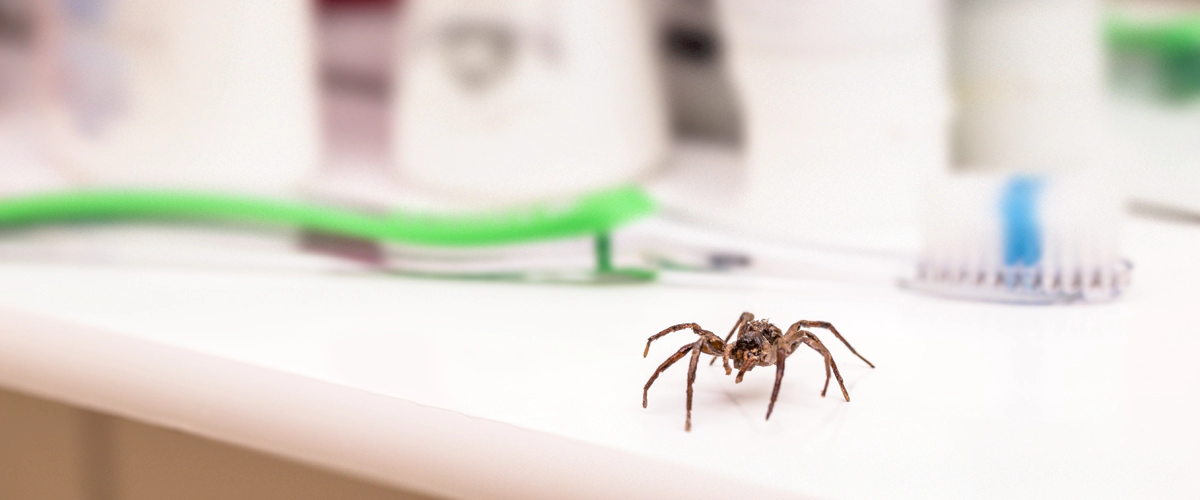
Spiders show up in almost every home at some point. Though most of them are harmless, and even helpful when it comes to controlling insects, you probably don’t want them setting up camp in your living room corners.
But the thing is that spiders don’t magically appear. They follow patterns, and once you understand them, you can take control. With a few smart changes, you can dramatically reduce how often you see them.
First things first:
Why Spiders End Up Inside Your Home?
- Food: Spiders feed on other insects, so if your home attracts flies, ants, or mosquitoes, it naturally attracts spiders too. You might not notice the smaller bugs, but spiders certainly do.
- Shelter: Your home offers protection from rain, heat, and predators. When the weather becomes extreme, especially during colder months, spiders start searching for a stable indoor environment.
- Safety: Spiders look for safe places to reproduce. Quiet, undisturbed areas like basements, attics, or storage rooms create the perfect environment for laying eggs.
How Spiders Actually Get Inside?
Spiders don’t need you to leave the front door wide open to get inside. They’re pretty good at finding sneaky little ways that most people don’t even notice.
Those tiny cracks in your walls or foundation? To a spider, that’s basically a wide-open road. You might walk past them every day without a second thought, but spiders can slip through those gaps like it’s nothing. The same goes for small openings around your windows and doors, especially if the seals are a bit worn out.
Doors and windows matter, too. Even leaving one open for a short time gives spiders a chance to wander in. And if your window screens have little holes or tears, they’re not really stopping much.
Then there are the spots you probably don’t think about often like vents, pipe openings, or gaps around cables. These areas usually go unchecked, which makes them perfect hidden entryways for spiders.
And here’s something people often overlook: sometimes you bring spiders inside yourself. Things like firewood, storage boxes, plant pots, or outdoor furniture can easily carry a spider or two without you noticing. It’s like they hitch a free ride straight into your home.
Don’t forget about the top of your house either. A loose roof tile or a small gap near the attic can give spiders a way in from above. Once they’re inside, they’ll happily settle into quiet spots you rarely visit.
Early Signs You Might Have a Spider Problem
You don’t need to see dozens of spiders to know they’re around, small clues often appear first.
You might notice webs forming in corners, along ceilings, or behind furniture. These webs start small but grow quickly if left undisturbed. Egg sacs can also appear in hidden areas, often tucked away in storage spaces.
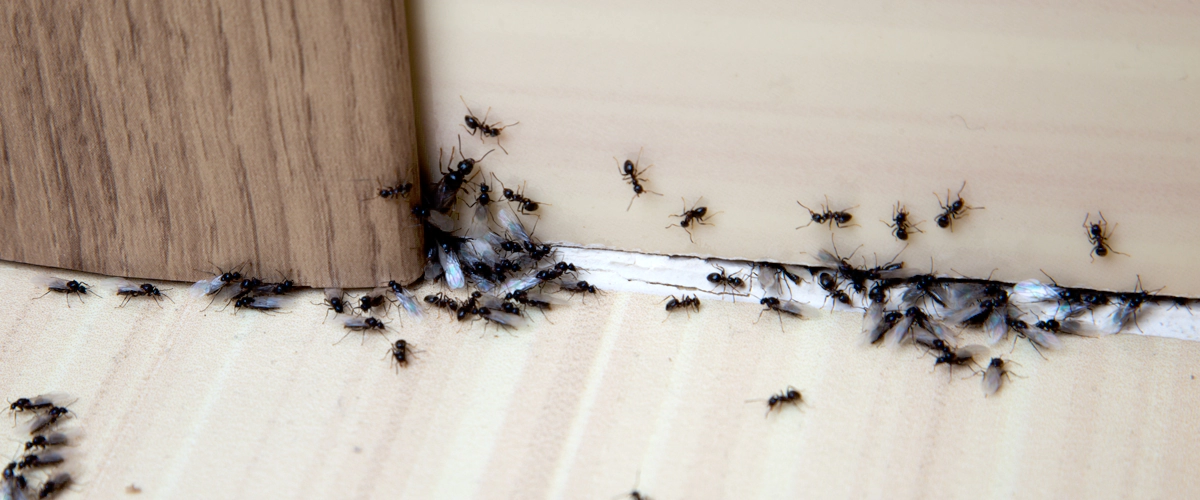
Another sign shows up indirectly, which is an increase in other insects. If your home suddenly has more bugs, spiders won’t be far behind.
Smart and Practical Ways to Keep Spiders Out
Keeping spiders away doesn’t require drastic measures. Simply, focus on making your home less attractive and harder to access.
Step 1 – Start with sealing entry points. Walk around your home and look closely at walls, windows, and doors. Wherever you find cracks or gaps, seal them with caulk or weather stripping. This simple step blocks one of the most common entry routes.
Step 2 – Pay attention to how clean and organised your home feels. When you regularly dust corners, vacuum floors, and clear out unused items, you remove their favourite hiding spots.
Step 3 – Bright outdoor lights attract insects, and those insects attract spiders. If you switch to softer lighting or reposition lights away from doors and windows, you reduce that chain reaction.
Step 4 – Your yard matters just as much as your indoor space. Overgrown bushes, piles of leaves, and stacked firewood create the perfect outdoor habitats for spiders. When these sit close to your home, spiders don’t have far to travel. Keeping your yard tidy creates a natural barrier between outdoor and indoor spaces.
Step 5 – Moisture control is another key factor. Damp areas like basements attract both insects and spiders. Fix leaks, improve ventilation, and consider using a dehumidifier if necessary.
Natural Ways to Deter Spiders
If you prefer to avoid harsh chemicals, natural repellents can help.
Spiders dislike strong scents, especially peppermint, eucalyptus, and tea tree oil. Mixing a few drops with water and spraying it around windows, doors, and corners can create an effective barrier.
Vinegar works in a similar way. A simple vinegar-and-water solution can discourage spiders from settling in certain areas. Even citrus scents like lemon or orange can make a difference when used near entry points.
Daily Habits That Make a Big Difference
Sometimes, small daily habits have the biggest impact.
For instance, when bringing items indoors, take a quick moment to check them. Firewood deserves extra attention since spiders often hide inside logs. The same goes for storage boxes or anything kept in a garage or shed.
Consistency matters more than perfection. When you build these habits into your routine, you gradually make your home less accessible and less appealing.
Seasonal Changes and Spider Activity
Spider activity often shifts with the seasons, so adjusting your approach throughout the year helps.
During autumn, spiders look for warmth as temperatures drop. This is when many of them try to move indoors. Sealing entry points before this season begins can make a noticeable difference.
In summer, insect populations increase. That means spiders have more reason to stay close to your home. Managing insects during this time indirectly keeps spiders away.
Final Thoughts
Spiders don’t randomly invade your home. They follow food, shelter, and opportunity. Once you understand that, prevention becomes much easier. You don’t even need any complicated solutions; just consistent, practical action.
With an ideal approach, you can make your home comfortable for you and far less welcoming for spiders. For more professional treatments, you can trust our experienced team at Oz Pest.